Anyone running an optical shop knows the industry has changed drastically over the years. It’s no longer enough to just stock good-quality frames and lenses. Your store’s overall look, display setup and shopping atmosphere directly impacts how customers perceive your brand, and more importantly, whether they’ll stop to browse and buy. This is especially true for luxury multi-brand optical stores that carry big designer names like Gucci, Prada, Cartier and Tom Ford. High-end eyewear deserves matching premium displays — cheap, generic cabinet designs will instantly kill your brand’s upscale vibe and drive away high-value customers.
I recently visited the fully upgraded Max Optical premium store in the mall, and I was genuinely impressed by how every detail is tailored for luxury eyewear retail. I took my time walking through the entire space, noting every practical design and operational trick. Below are my top 10 favorite display ideas you can copy and implement in your own store right now, no fancy redesign required.
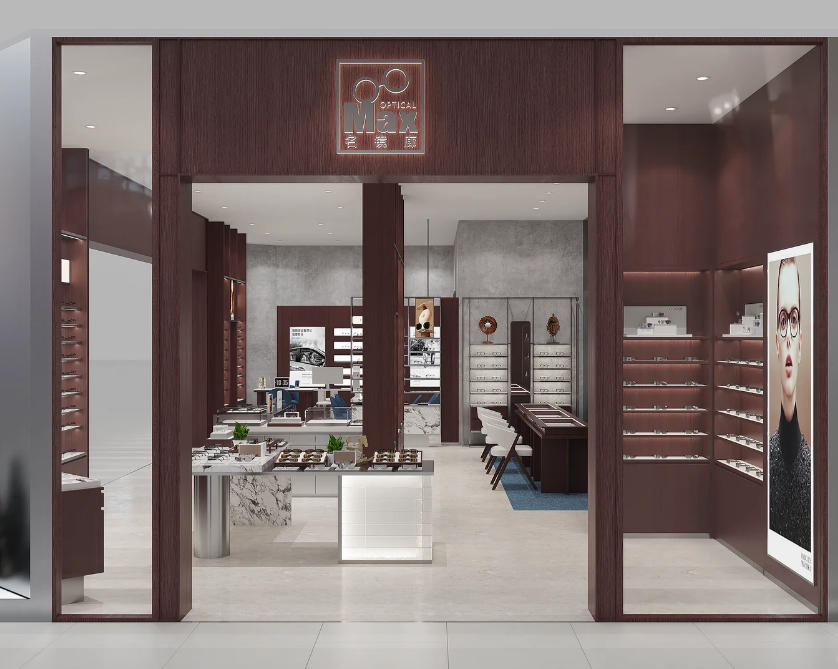
1. Branded Wall Back Cabinets – Nail Your First Impression
The full-height wall cabinets lining the main retail area are the star of this store’s design, and it’s easy to see why. Unlike plain, generic retail shelving, these cabinets feature a sleek dark walnut veneer finish that feels warm and high-end. Soft recessed LED strip lighting runs along every shelf, no harsh glares whatsoever. The store arranges all eyewear strictly by brand, with dedicated brand posters and light boxes for each designer collection. This simple setup instantly separates this luxury shop from basic neighborhood optical stores. From an operational standpoint, brand-based grouping makes shopping way easier for customers. They can head straight to the brand they love without sifting through random mixed stock. It also builds instant credibility — shoppers immediately recognize you’re a legitimate premium multi-brand retailer, not a discount shop.
2. Open Marble Island Counters – Boost Frame Try-On Rates
I’ve seen so many optical shops overdo closed glass display cases, which create a huge distance between customers and products. This store avoids that mistake completely with its central open island counters. The white natural marble tabletop paired with brushed stainless steel legs looks clean, modern and upscale. Built-in illuminated display zones showcase bestsellers, new arrivals and promotional frames perfectly. What I love most is how functional this space is — it’s not just for display. Staff use this counter for frame adjustments, quick fitting checks and one-on-one customer consultations. The open layout lets shoppers pick up and try on any frame freely, which drastically lowers their purchase hesitation. Small potted plants and tiny decor accents also soften the rigid retail feel, making the space feel welcoming instead of overly commercial.
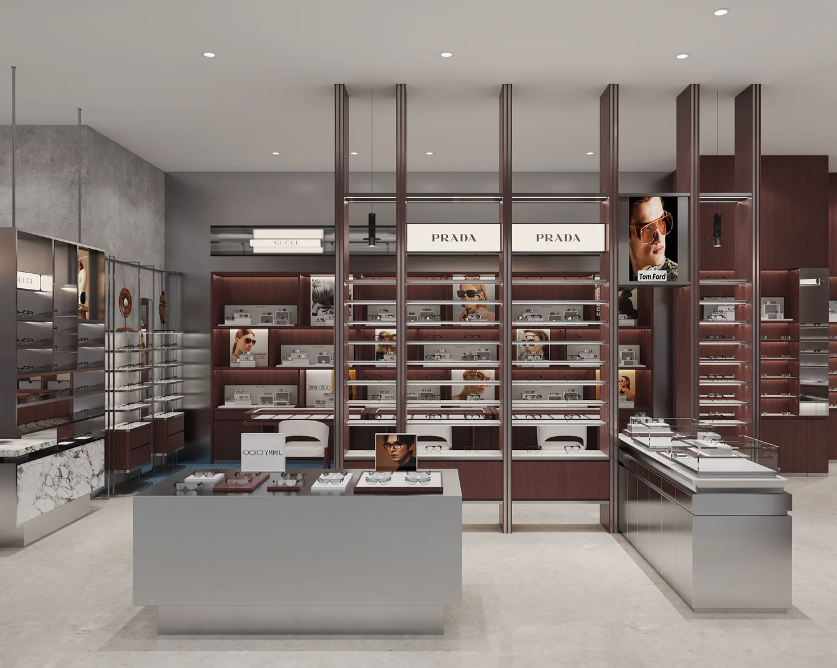
3. Modular Brand Display Zones – Perfect for Rotating Inventory
If you frequently update your brand lineup or swap out new seasonal eyewear styles, this modular display design is a game-changer. The dedicated zones for Prada, Tom Ford and other luxury labels use flexible metal frame structures with adjustable wooden shelves. Each brand zone has its own custom light box and branded artwork, so every designer line gets its own spotlight while keeping the whole store’s aesthetic consistent. There’s no disjointed, messy look you often see in multi-brand stores. The biggest perk for store owners? You don’t need full renovations when your inventory changes. Simply adjust shelf heights, swap out posters and rearrange products to fit new stock. Quick pro tip I picked up: always measure your brand poster dimensions first before setting up frame spacing to avoid awkward sizing gaps later on.
4. Soft Warm Ambient Lighting – Show True Frame & Lens Quality
Lighting is one of the most overlooked details in eyewear retail, but it makes all the difference. I’ve been to countless shops with bright, harsh overhead lights that create terrible lens glares and make frames look cheap.
Max Optical’s store completely skips harsh main ceiling lights. Instead, they rely entirely on recessed spotlights and hidden LED strips spread evenly across the display areas. The lighting temperature sits at 3000K–4000K warm white, which I think is the sweet spot for optical stores. This soft, diffused lighting shows off every fine detail of metal frames, acetate patterns and lens clarity without any distracting reflections. Customers get an accurate view of how glasses look on their face, which reduces post-purchase dissatisfaction and returns. It also creates a calm, upscale shopping mood that makes people want to linger longer.
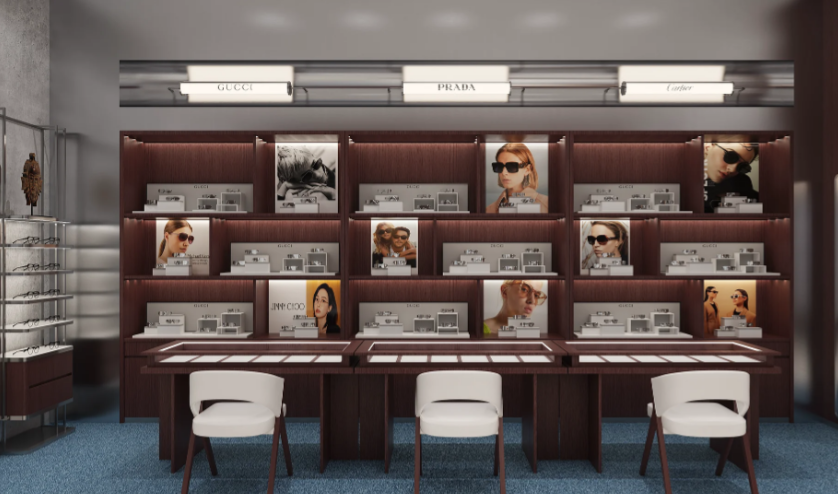
5. Matching Consultation Tables & Seating – Extend Customer Shop Time
A lot of optical shops only focus on displays and ignore customer seating, which is a huge missed opportunity. This store sets long walnut consultation tables right in front of the main wall cabinets, paired with plush padded chairs. The tables match the cabinet wood perfectly for a cohesive look, with subtle embedded display areas for small accessories and featured frames. When customers want to compare multiple frames, they can sit down comfortably and take their time, instead of rushing through decisions while standing. Longer stay times always equal higher sales potential. It also lets your staff deliver more professional, patient service — adjusting frames, explaining lens options and answering questions thoroughly. The soft carpet under the seating area also adds warmth and comfort to the whole space.
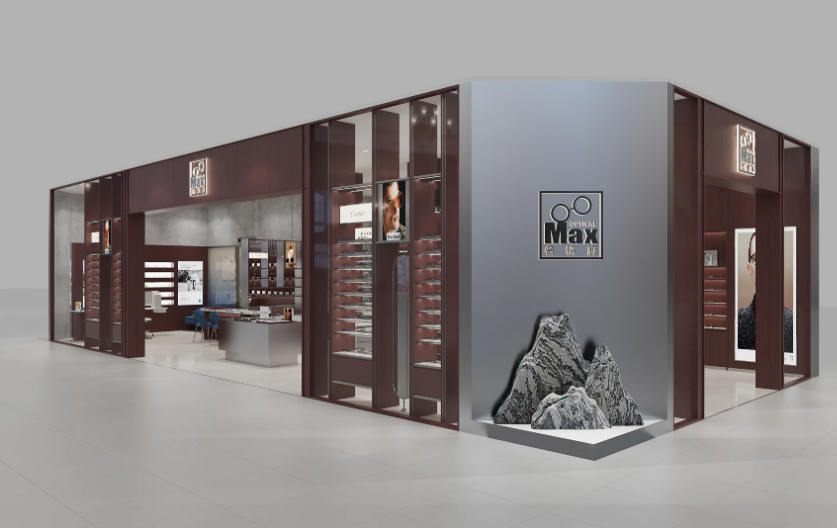
6. Minimalist Corner Decor – Turn Dead Space Into a Foot Traffic Magnet
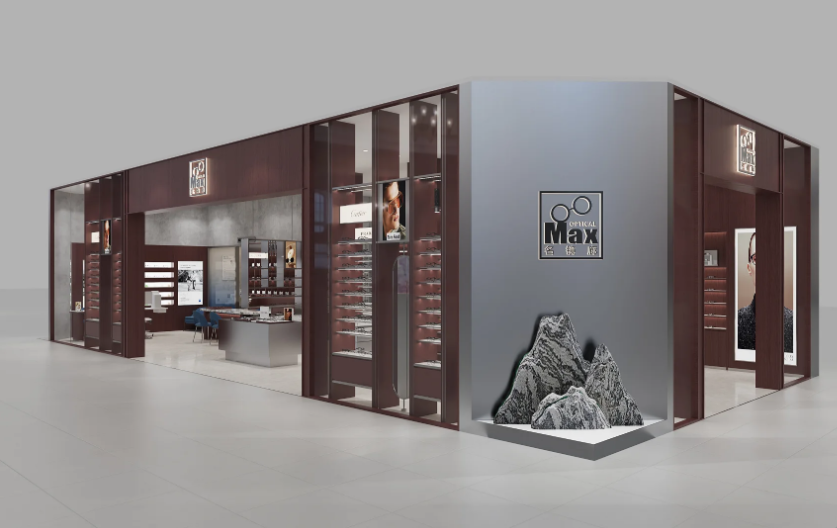
Mall corner storefronts often suffer from awkward, underutilized dead space that most retailers leave empty or fill with random clutter. This shop turned its corner spot into one of its most eye-catching features. They added a simple, modern mountain-style artistic installation against a muted grey feature wall, paired with a subtle brand logo. It’s not overly flashy, but it stands out dramatically among generic mall storefronts and grabs the attention of passing foot traffic. It also doubles as a casual photo spot for customers. Many shoppers take photos and share them on social media, bringing free organic exposure to the store. This is such a simple, low-cost upgrade that works wonders for corner mall locations with low natural foot traffic.
7. Frameless Glass Storefront – Lower Customer Entry Barriers
Closed-off, solid storefronts make new customers hesitant to walk in — that’s a fact I’ve learned from years of retail observation. This store solves this issue perfectly with a full frameless glass facade. Floor-to-ceiling glass windows and glass doors offer a completely unobstructed view of the clean, stylish interior. Passersby can instantly see the premium displays and neat layout, so they already know it’s a high-end optical shop before stepping inside. The open, transparent vibe feels welcoming and approachable, not exclusive or intimidating. Just one key tip: never leave your window display empty. Always stock featured frames and branded posters to showcase your best products and avoid looking unprofessional or vacant.
8. Concealed Under-Cabinet Storage – Keep the Store Spotless All Day
Cleanliness and tidiness are non-negotiable for luxury retail. Messy countertops and scattered supplies will instantly ruin your premium brand image, no matter how nice your displays are. What I loved about this store is the hidden storage built into every wall cabinet and island counter base. All spare lenses, empty frame cases, cleaning tools, lens cloths and small accessories are tucked away out of sight. There’s zero clutter on display surfaces at any time. During busy shopping hours, staff can quickly tidy up and restock without disrupting the customer experience. All storage handles are completely hidden too, so they don’t break the sleek, seamless design of the cabinetry.
9. Backlit Brand Logo Signage – Build Memorable Brand Identity
Branding isn’t just about a logo — it’s about consistent, visible branding in every key spot. This store places premium metal backlit logos at the main entrance and corner feature walls. The metallic finish pairs flawlessly with the dark walnut wood tones, creating a sophisticated, high-end look that’s easy to spot in a busy mall environment. The soft backlighting makes the logo stand out day and night. Repeating your brand logo across key touchpoints helps customers remember your shop far better than a single small sign at the door. If you run a chain or plan to expand, this consistent branding style builds strong brand recognition. Just be sure to scale your logo size to fit your wall and storefront proportions to avoid awkward sizing issues.
10. Multi-Material Layered Design – Stand Out From Local Competitors
Most basic eyewear stores stick to one or two materials, leading to a generic, boring look that blends in with every other shop. This store’s biggest design strength is its thoughtful mix of premium materials.
They blend warm dark walnut wood, cool brushed stainless steel, clean natural marble and soft fabric upholstery throughout the space. The hard, sleek textures of metal and stone balance perfectly with the cozy warmth of wood and padded seating, creating a rich, layered luxury feel.This unique aesthetic lets the store stand out from every standard optical retailer in the area. It also complements the diverse styles of different designer eyewear brands. My rule of thumb for fellow store owners: stick to 3–4 materials max, and keep your color palette limited to dark brown, white and silver to avoid a messy, disjointed look.
Final Thoughts
After touring this Max Optical location, I’m more convinced than ever: great optical store design is never just about looking good. Every cabinet, light fixture, seating area and decor piece serves a real business purpose — attracting passersby, making customers feel comfortable, boosting product trials and ultimately driving more sales. Luxury eyewear retail is all about experience and trust. A well-designed, professional store space builds customer confidence far better than any simple price promotion. Whether you’re prepping for a new store opening or looking to refresh your outdated displays, these real in-store tips are all practical, actionable, and easy to replicate for any premium optical shop. If you would like to custom your own store design, welcome to contact us, we are happy to provide help.